
Product Categories
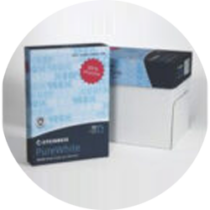
Eco Office
Our range of eco stationery products (recycled or recyclable content) helps your business or school demonstrate its green credentials.
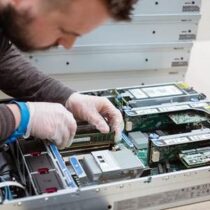
Refurbished IT
Our range of refurbished IT equipment has a 3-year warranty and saves your business money.
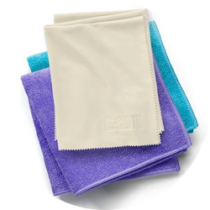
Eco Clean
See our new range of UK eco cleaning products. Effective cleaning without the toxic chemicals.
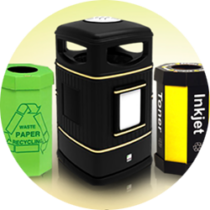
Recycle Bins
All Recycling bins in our range are made in the UK. Many of the products can be supplied at extra cost with special wording, designs or logos.
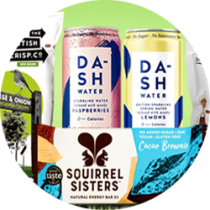
Healthy Snacks & Drinks
Our convenient range of UK made Vegetarian & Vegan Snacks and Drinks are a healthy alternative and are eco-friendly too!
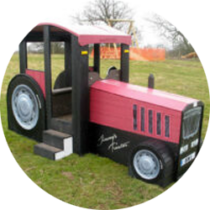
Schools EcoHub
We offer a wide range of eco products for schools – play equipment, outdoor benches, novelty bins & educational resources.
The Best Sellers
Sale!
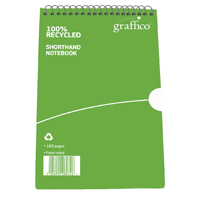
£2.44 (£2.93 inc. VAT)
Sale!
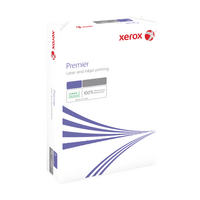
£12.04 (£14.45 inc. VAT)
Sale!
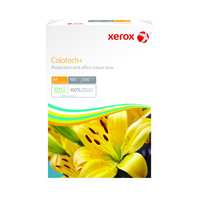
£9.32 (£11.18 inc. VAT)
Sale!
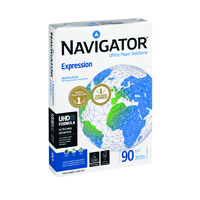
£54.42 (£65.30 inc. VAT)
Sale!
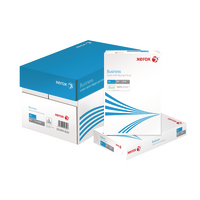
£38.92 (£46.70 inc. VAT)
Sale!
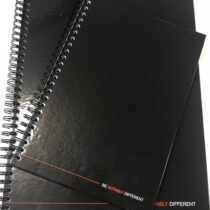
£1.26 (£1.51 inc. VAT)
Sale!
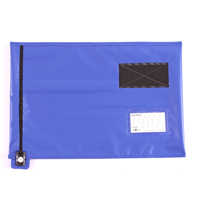
£9.78 (£11.74 inc. VAT)
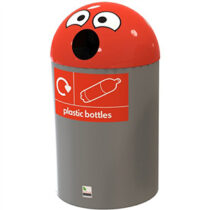
£136.00 (£163.20 inc. VAT)
We Are Transforming The World Together
Green Buying in partnership with  – making every purchase matter
Every single purchase you make plants a tree in the ground and transforms our world for the better. With Ecologi we make your shipping carbon neutral too, reducing your carbon footprint when you shop with us.
How it works:
- For every order placed (apart from services) up to £99.99 (net of VAT): 1 tree will be planted.
- For every single order greater or equal to £100 (net of VAT): 3 trees will be planted.
- When orders exceed £50 (net of VAT) not only do we offer free shipping, we will also make the shipping carbon neutral (by offsetting the carbon associated with the transportation). This will equate to 250kg per order (which is 500 miles).
Watch the Public Impact Ledger for Carbon Offsets and Ecologi Public Impact and Operations Ledger to check the progress that has been made by Ecologi with our and your help too.
10% discount for schools & nurseries
What Our Clients Say
Blog
The more I learn about the terrible damage man is inflicting on the earth and its biodiversity, it makes me really sad to think that our young children will inherit this mess (and worse!) when we’re long gone.

Boost Your Environmental Credentials: Green Solutions for UK Companies and Schools
Last Updated on 25/06/2023 In today’s world, prioritising sustainability and environmental responsibility is not just [...]
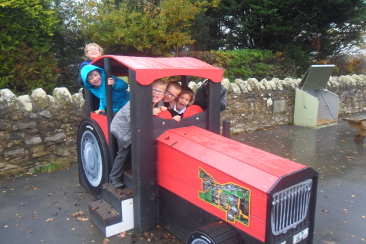
How can my school become more sustainable?
Last Updated on 01/05/2023 There are many ways that schools can become more sustainable, and [...]
Why companies looking to source more eco-friendly business supplies
Last Updated on 01/05/2023 The demand for eco-friendly business supplies has been on the rise [...]
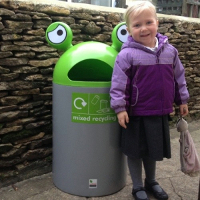
No “If’s” Just “Butts” – The best ways to actively promote sustainability in the playground
Last Updated on 10/01/2023 Schools have an important responsibility to set the example for their [...]
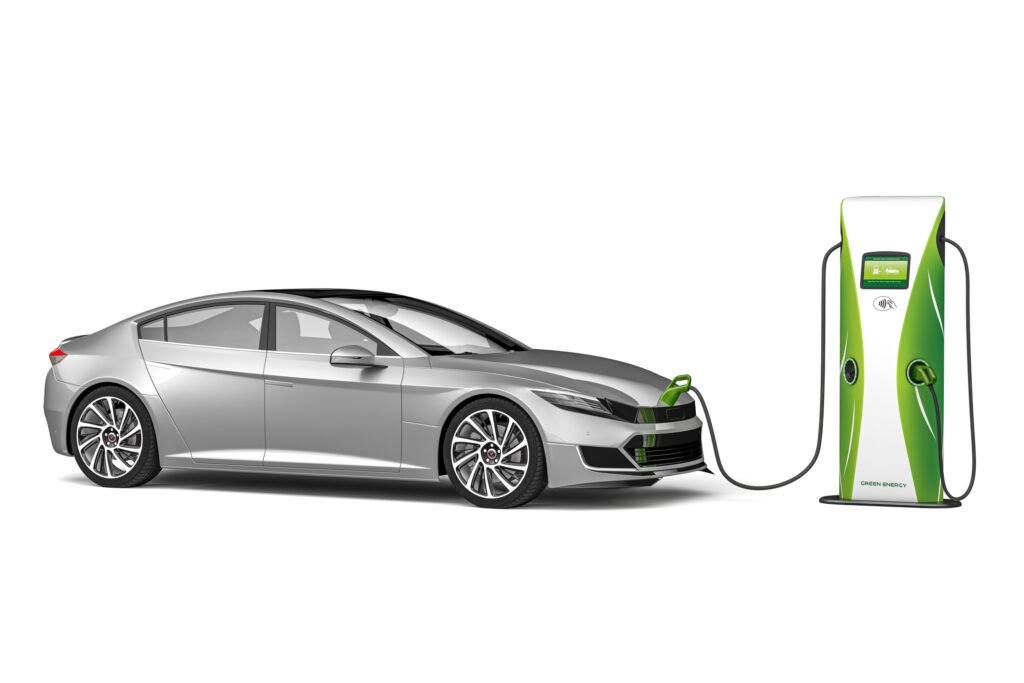
How the Autumn Statement impacts on Electric Vehicles
Last Updated on 25/11/2022 Tax changes to Electric Vehicles (EVs) have been announced in the [...]

New Blog and Twitter Site!
Last Updated on 04/08/2021 So here goes, our very first blog! We’ll try and add [...]

What the biggest company bosses think of Sustainability
Last Updated on 04/08/2021 I read an interesting report the other day published by the [...]

BS 8903: principles and framework for procuring sustainability
Last Updated on 14/07/2022 Did you know that the world’s first standard for sustainable procurement, BS [...]